Introduction: The Caribbean Traveler's Dilemma
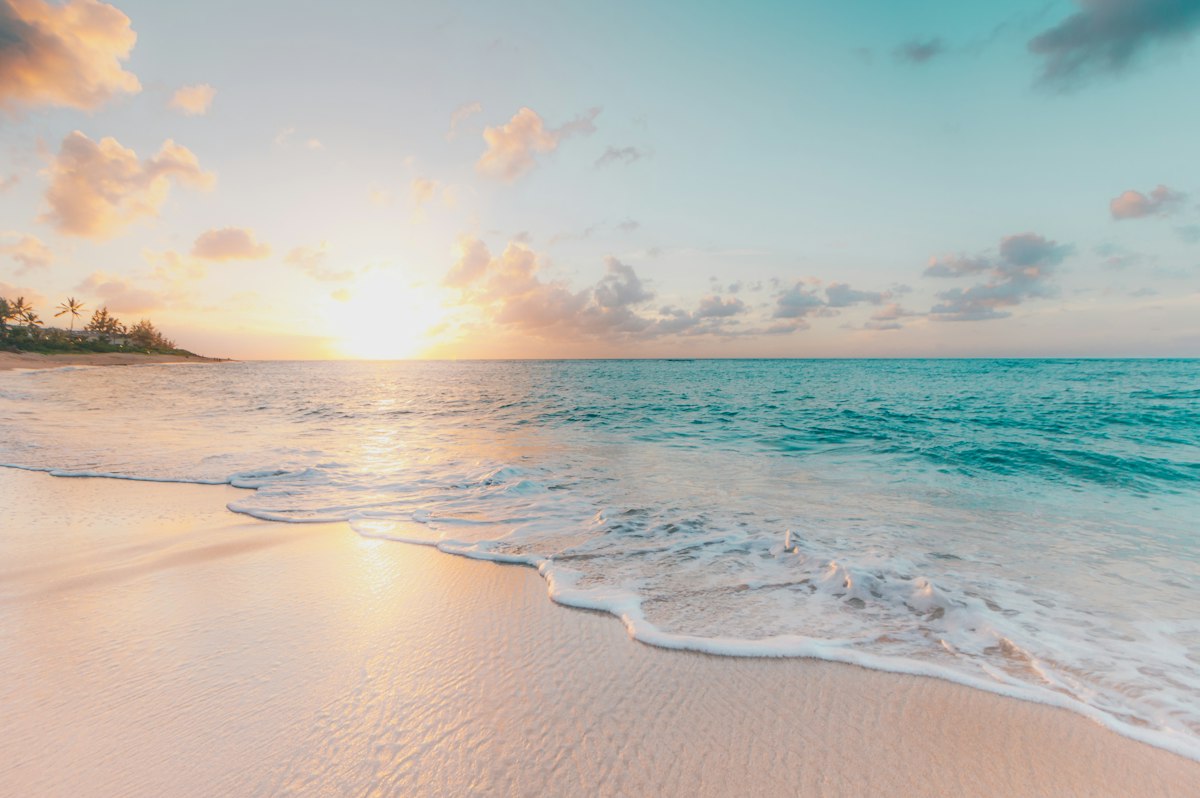
You dream of white sandy beaches, turquoise water, and coconut palms swaying in the breeze? The French Caribbean — Martinique, Guadeloupe, Saint-Martin, Saint-Barthélemy — ranks among the most sought-after destinations for travelers worldwide. But before booking your tickets, one question demands an answer: when should you go to enjoy good weather while minimizing the risk of mosquitoes?
In the Caribbean, these two concerns are intimately linked. The rainy season isn't just synonymous with tropical downpours — it also corresponds to the period of maximum mosquito proliferation, the vectors of dengue fever, chikungunya, and Zika. Understanding this calendar means giving yourself the tools to choose your travel dates wisely.
---
The Two Seasons in the Caribbean: A Calendar to Know
The Dry Season (December to May): The Traveler's Paradise
The dry season, locally called "carême" (Lent), runs from December to May. This is the golden period for visiting the Caribbean. Temperatures range between 24°C and 29°C (75-84°F), skies are generally clear, trade winds blow gently, and rainfall is rare and brief.
December and January mark the start of the high tourist season. Flight and accommodation prices peak around the holiday season, but the weather is excellent. February and March represent the perfect balance: guaranteed good weather, moderate crowds after the holidays, and slightly more accessible prices. April and May signal the transition toward the rainy season, with some showers toward the end of the period, but remain generally very pleasant.
The Rainy Season (June to November): Heat, Rain, and Mosquitoes
The rainy season, or "hivernage" (wintering), lasts from June to November. Temperatures climb slightly (up to 32°C/90°F), humidity becomes oppressive, and tropical rains — often intense but brief — fall regularly. This is also the hurricane season in the Caribbean, with peak risk between August and October.
June and July constitute a transition period: rains gradually set in, but sunny days remain frequent. August, September, and October represent the heart of the rainy season, with higher hurricane risks and abundant precipitation. November marks the gradual return of good weather.
---
The Direct Link Between Rain and Mosquito Proliferation
Understanding why mosquitoes swarm during the rainy season is essential for adapting your protection. The Aedes aegypti mosquito, the primary vector of dengue, chikungunya, and Zika in the Caribbean, needs stagnant water to lay its eggs and complete its development cycle.
Each tropical downpour creates dozens of potential larval breeding sites: plant saucers, clogged gutters, used tires, tree hollows, abandoned containers. Within just a few days, a larva becomes an adult mosquito capable of biting. The heat and humidity of the rainy season further accelerate this cycle, which can complete in 7 to 10 days compared to 2 to 3 weeks in the cooler season.
The result: mosquito populations can be 5 to 10 times larger during the rainy season than during the dry season. Dengue epidemics in the Caribbean faithfully follow this calendar, with systematic peaks between July and November.
Key takeaway: The more it rains, the more mosquitoes reproduce. Traveling during the dry season significantly reduces your exposure to vector-borne diseases.
---
Best Periods According to Your Priorities
Priority 1: Minimal Mosquito Risk
Best period: February-March
These two months combine all the advantages: the dry season is well established, mosquito populations are at their lowest level of the year, temperatures are ideal (25-28°C/77-82°F), and trade winds naturally drive away insects. This is the ideal window for families with young children, pregnant women (Zika risk), and immunocompromised individuals.
Priority 2: Budget-Friendly Travel
Best period: May or November
These transition months offer significantly lower prices than the high season (December-March), while maintaining acceptable weather conditions. May still benefits from the end of the dry season, while November sees rainfall gradually decreasing. Hotels often offer attractive promotions.
[Compare flights for May and November on Skyscanner](https://www.skyscanner.fr/vols) and [find the best accommodation deals](https://www.skyscanner.fr/hotels).
Priority 3: Moderate Crowds
Best period: April or early November
April is an excellent alternative to February-March: the weather is still good, Christmas tourists have returned home, and prices are more reasonable. Early November offers a similar atmosphere, with less crowded beaches and a more authentic ambiance.
Priority 4: Local Authenticity and Culture
Best period: July (with precautions)
July is the month of the Summer Carnival in Martinique and numerous local festivals in Guadeloupe. The atmosphere is festive, local markets are lively, and Caribbean residents themselves enjoy their vacations. The mosquito risk is higher, but with appropriate protection (30-50% DEET repellent, covering clothing in the evenings), it remains perfectly manageable.
---
Mosquito Protection Tips for Each Season
During the Dry Season (December-May)
Even though the risk is reduced, it doesn't disappear completely. Mosquitoes are present year-round in the Caribbean, simply in smaller numbers.
- Repellent: light protection is sufficient — 20% icaridin or IR3535, applied morning and evening
- Clothing: light long-sleeved linen or cotton garments in the evening are enough
- Accommodation: check for mosquito nets or air conditioning (mosquitoes dislike cold)
- Vigilance: still avoid areas with stagnant water (mangroves, poorly maintained gardens)
During the Rainy Season (June-November)
Protection must be reinforced and systematic.
- Repellent: 30-50% DEET or 25% icaridin, renewed every 4-6 hours
- Clothing: long pants, long-sleeved shirts, closed shoes from sunset onward
- Accommodation: prioritize air-conditioned establishments with mosquito screens on windows
- Timing: avoid outdoor activities at dawn (6-8am) and dusk (5-7pm), peak activity times for Aedes aegypti
- Preventive treatment: consult your doctor before departure to discuss additional medical protection
Check our [complete guide to mosquito repellents](/blog/guide-repulsifs-anti-moustiques) to choose the product suited to your situation.
---
Booking Your Flights at the Right Time
The timing of your reservation is as important as the timing of your trip. For high season periods (December-March), book 3 to 6 months in advance to get the best rates. For off-peak periods (May, June, November), a reservation 4 to 8 weeks in advance may suffice.
Compare prices by month:
- [Search for flights to Martinique and Guadeloupe](https://www.skyscanner.fr/vols)
- [Find accommodation in the Caribbean](https://www.skyscanner.fr/hotels)
- [Rent a car to explore the island](https://www.skyscanner.fr/location-voitures)
Tip: Flights on Tuesday through Thursday are generally cheaper than those on Friday through Sunday. Also avoid French school vacation weeks, which drive prices up by 30 to 50%.
---
Local Tips for Each Season
During the dry season, Caribbean residents plant lemongrass (Cymbopogon citratus) around terraces to naturally repel mosquitoes. Citronella candles and electric diffusers with lemon eucalyptus essential oil effectively complement chemical protection.
During the rainy season, experienced Caribbean locals know that systematically emptying any container that could hold stagnant water — even a small plant saucer — is the most effective gesture for reducing local mosquito populations. In hotels and rentals, immediately report any potential breeding site to the staff.
Year-round, the fan is your best friend: mosquitoes are poor fliers and avoid ventilated areas. Sleeping with a fan directed toward the bed significantly reduces nighttime bites.
---
Month-by-Month Summary Table
| Month | Weather | Mosquito Risk | Flight Prices | Crowds | Overall Rating |
|---|---|---|---|---|---|
| January | ☀️ Excellent | 🟢 Low | 💰💰💰 High | 👥👥👥 Heavy | ⭐⭐⭐⭐ |
| February | ☀️ Excellent | 🟢 Very Low | 💰💰 Moderate | 👥👥 Moderate | ⭐⭐⭐⭐⭐ |
| March | ☀️ Excellent | 🟢 Very Low | 💰💰 Moderate | 👥👥 Moderate | ⭐⭐⭐⭐⭐ |
| April | ⛅ Good | 🟡 Low | 💰💰 Moderate | 👥 Light | ⭐⭐⭐⭐ |
| May | ⛅ Variable | 🟡 Moderate | 💰 Low | 👥 Light | ⭐⭐⭐ |
| June | 🌧️ Rainy | 🟠 High | 💰 Low | 👥 Light | ⭐⭐ |
| July | 🌧️ Rainy | 🟠 High | 💰 Low | 👥👥 Moderate | ⭐⭐ |
| August | ⛈️ Very Rainy | 🔴 Very High | 💰 Low | 👥👥 Moderate | ⭐ |
| September | ⛈️ Very Rainy | 🔴 Very High | 💰 Very Low | 👥 Light | ⭐ |
| October | ⛈️ Rainy | 🔴 High | 💰 Very Low | 👥 Light | ⭐⭐ |
| November | ⛅ Variable | 🟡 Moderate | 💰 Low | 👥 Light | ⭐⭐⭐ |
| December | ☀️ Good | 🟢 Low | 💰💰💰 High | 👥👥👥 Heavy | ⭐⭐⭐⭐ |
---
Conclusion: Choose Your Dates, Prepare Your Protection
There is no "perfect" period to visit the Caribbean — every month has its advantages and disadvantages. But if you can freely choose your dates, February and March remain the ideal choice: guaranteed good weather, minimal mosquito risk, and a relaxed atmosphere away from Christmas crowds.
If your budget is tight, May or November offer an excellent compromise between acceptable weather, low prices, and moderate mosquito risk — provided you strengthen your protection.
And whatever period you choose, remember: mosquitoes in the Caribbean are not inevitable. With the right repellents, the right clothing, and a few simple gestures, you can fully enjoy your Caribbean vacation with complete peace of mind.
Check our [personalized mosquito kit calculator](#calculateur) to prepare your protection based on your destination, length of stay, and profile (family, pregnant woman, athlete…). And find all our [recommended products](#boutique) to depart well-equipped.
Happy Caribbean holidays!
Read
Complete Guide: Preparing Your Caribbean Trip in 7 Days (Mosquito Protection Checklist Included)
Read
Martinique or Guadeloupe: Which Island Should You Choose for Your Next Vacation?
Read
Car Rental or Taxis: What's the Best Way to Get Around Martinique?
Read
Dengue in the Caribbean: Everything You Need to Know Before You Travel